Elogio del horizonte
Asturias
At a glance
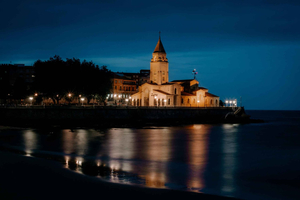
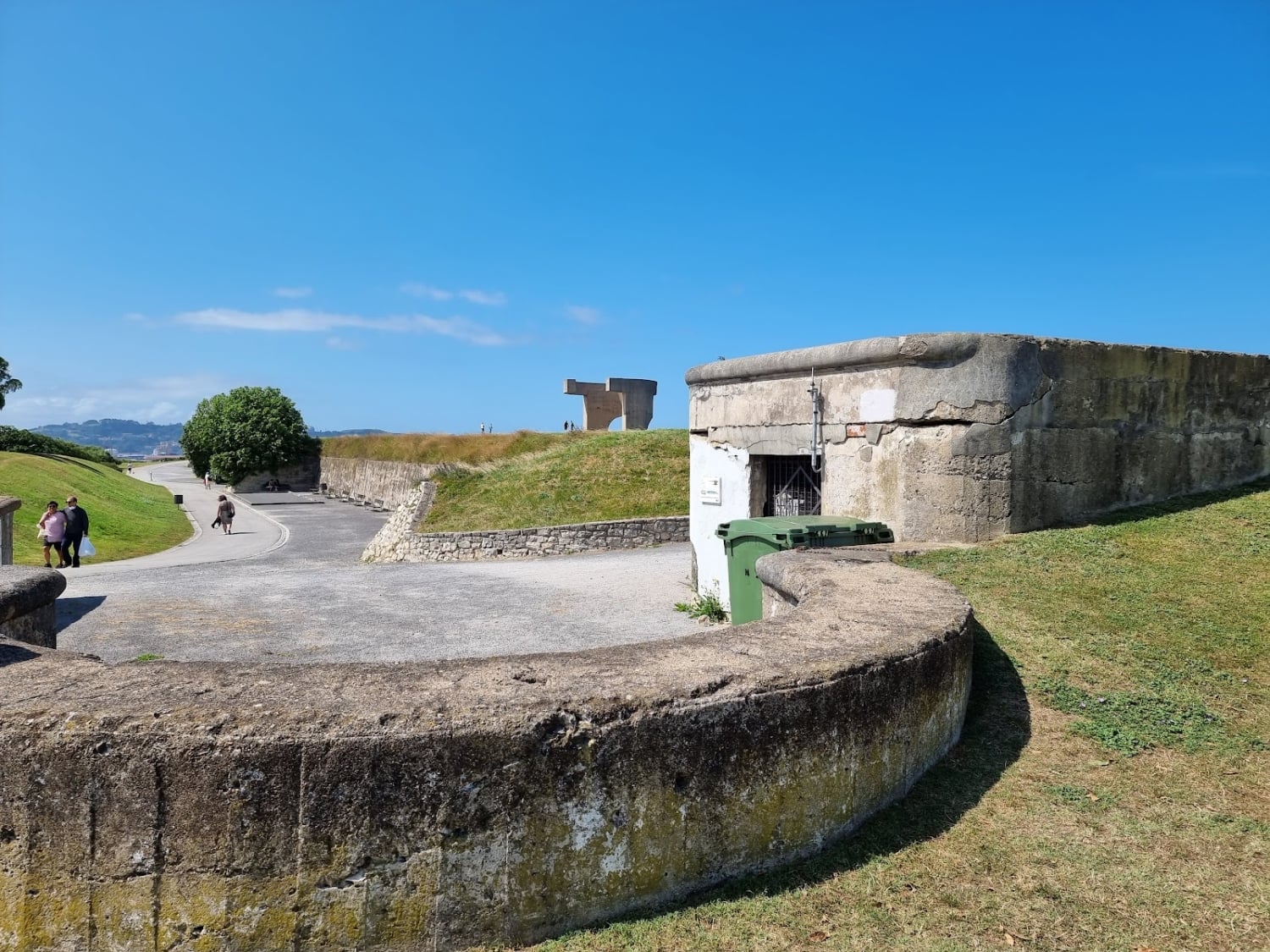
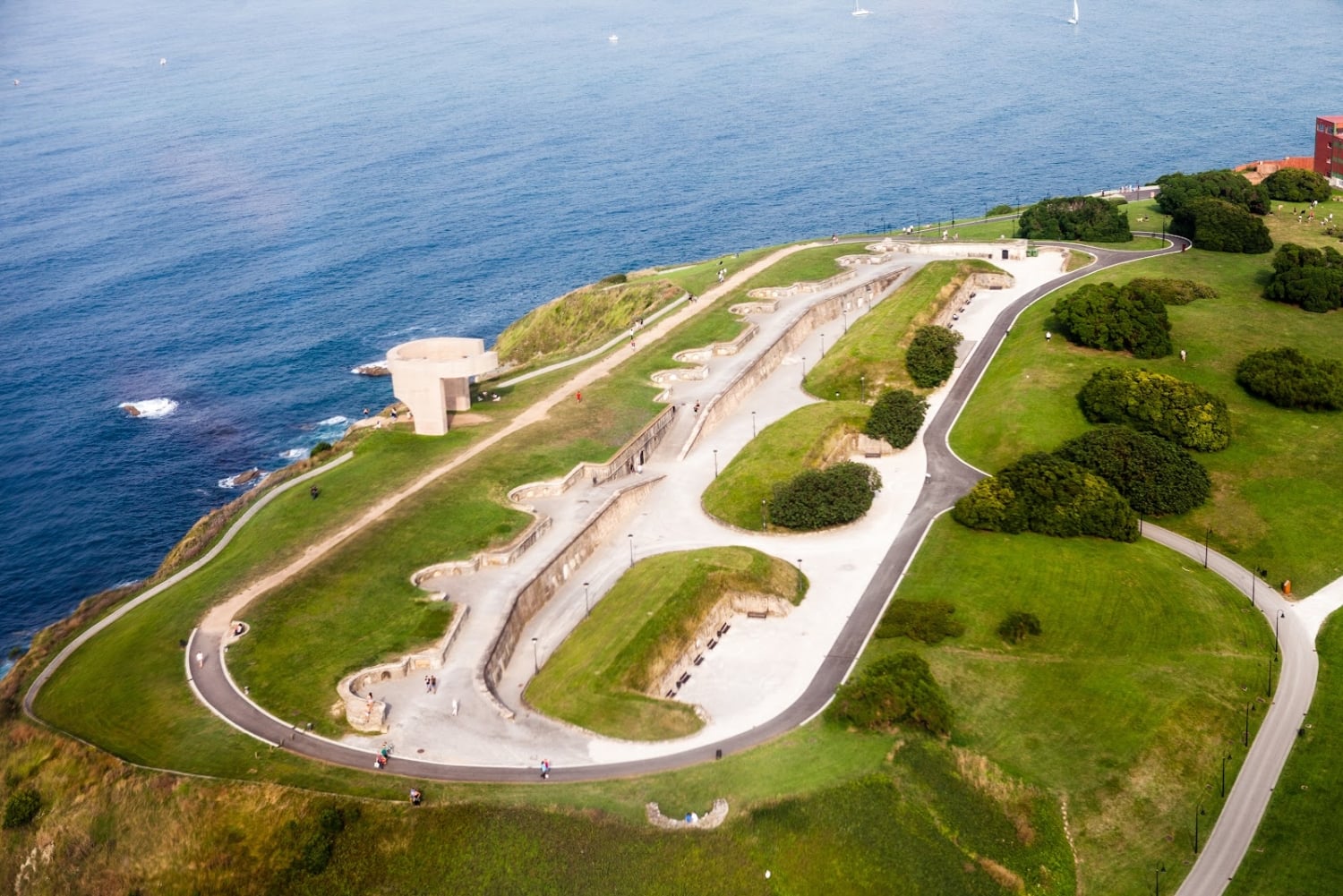
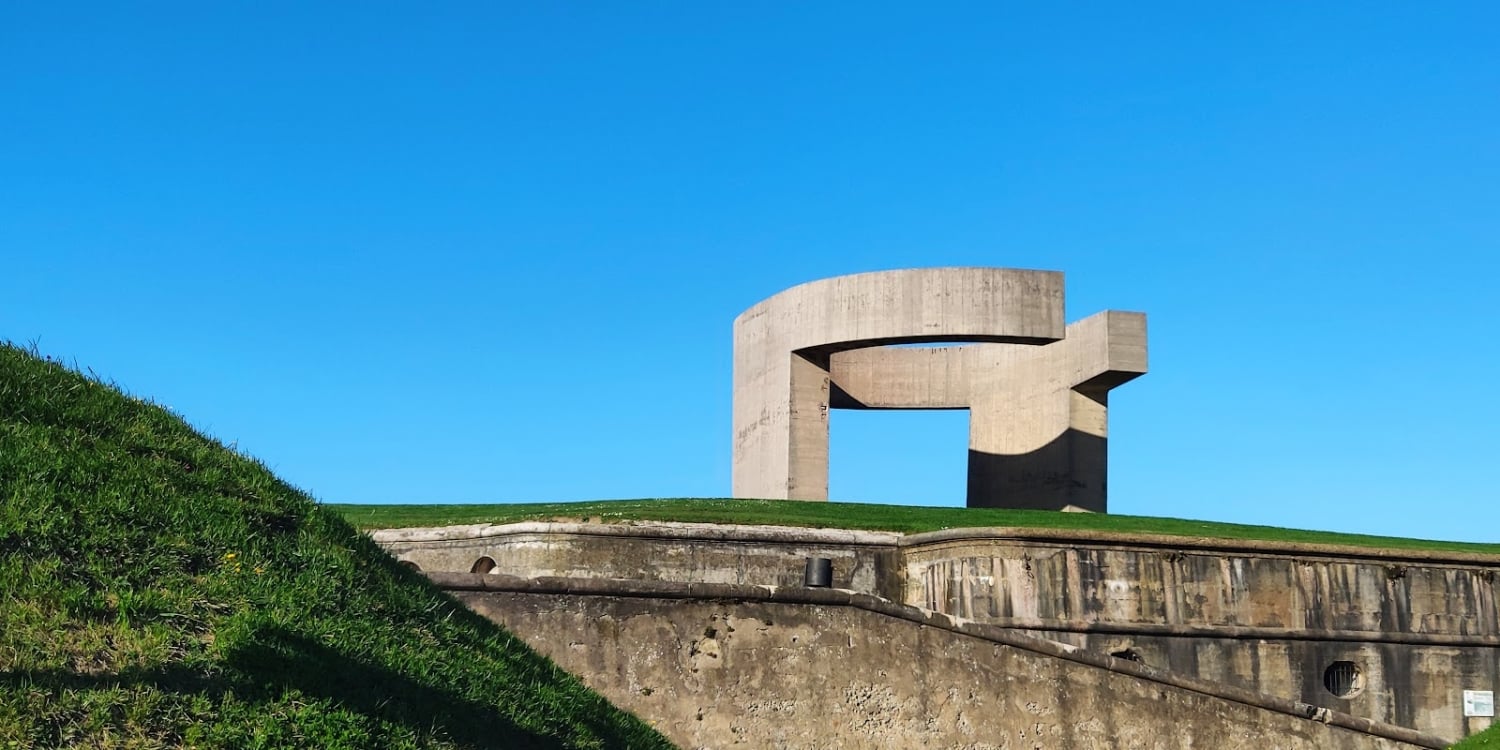
Elogio del horizonte is an open-air sculpture by Eduardo Chillida in Gijón. The work stands in Cimavilla, the city’s historic district, and forms part of the public landscape rather than a gallery, restaurant or ticketed indoor attraction. Its setting gives the piece a direct relationship with the coast and the broad horizon around the city.
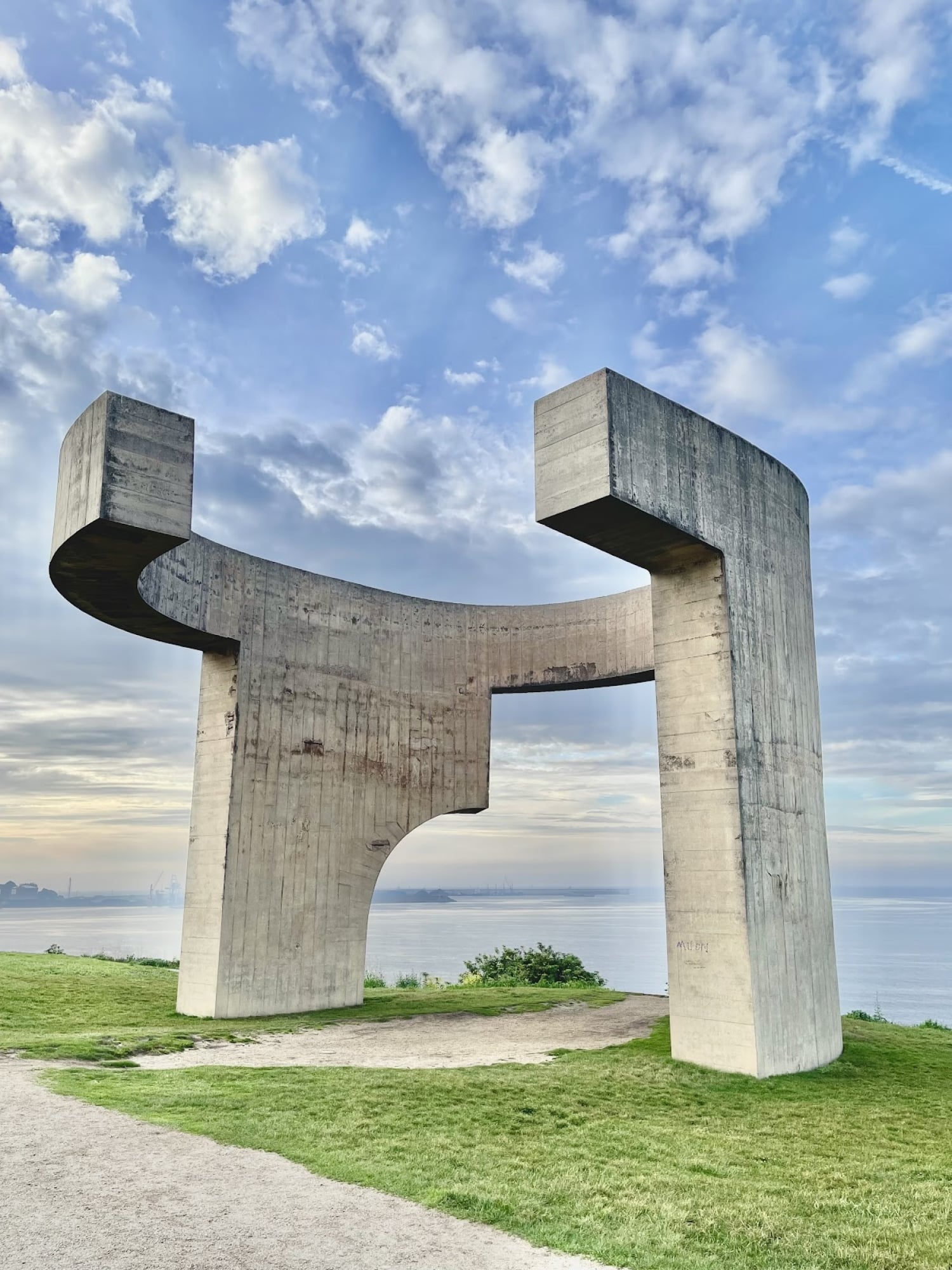
The sculpture is made from concrete and uses a curved, open form that surrounds the person standing inside it. Its shape directs attention outwards, making the horizon an essential part of the experience. The work is therefore viewed both as an individual artwork and as a landmark within Gijón’s coastal landscape.
Elogio del horizonte has a simple, architectural character. Large rounded surfaces create a sense of enclosure without closing off the view, while the open centre keeps the surrounding sky and sea present. The scale of the sculpture encourages visitors to consider the relationship between the human body, the built form and the landscape.
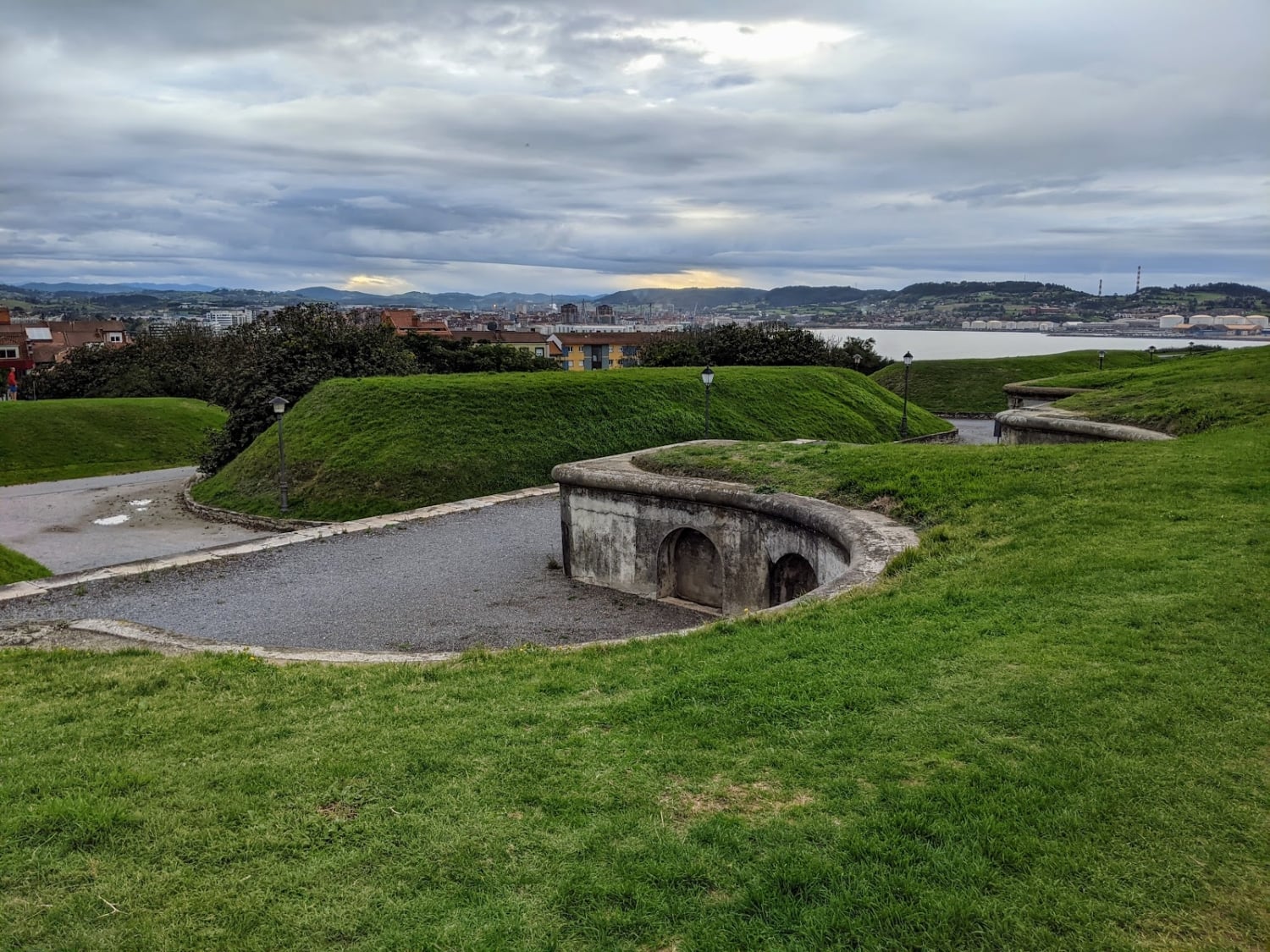
The site suits travellers interested in contemporary art, public sculpture, architecture and urban walks. It also works for a short cultural stop during time spent exploring Cimavilla. The location gives the work a strong outdoor identity, so the atmosphere changes with the weather, light and views across the coast.
The sculpture is not presented as a food or hospitality venue. There is no cuisine, dining room or accommodation associated with the attraction. Its appeal comes from the combination of a recognisable work of art and an exposed city setting. That makes it relevant to visitors looking for a place connected with Gijón’s cultural landscape rather than a conventional indoor museum experience.
Elogio del horizonte offers a clear example of how public art can shape the character of a place. The work is easy to identify from its large concrete form, while its open design keeps the surrounding landscape central. In Asturias, it is associated with Gijón’s relationship to the sea and with the cultural character of Cimavilla.
The attraction is suitable for independent visits, photography focused on sculpture and landscape, and walks that combine historic streets with the coast. The experience is primarily visual and spatial, with the setting contributing as much to the visit as the sculpture itself.